

 RSS Feed

 Spotify

 Amazon Music

 Apple Podcasts

 iHeartRadio

 RadioPublic

 TuneIn

 Castbox

 PocketCasts

 Overcast

 Castro

 YouTube

 Deezer

 Audible
Wounds of Wonder: The Divine, the Damned, and the Body That Bleeds
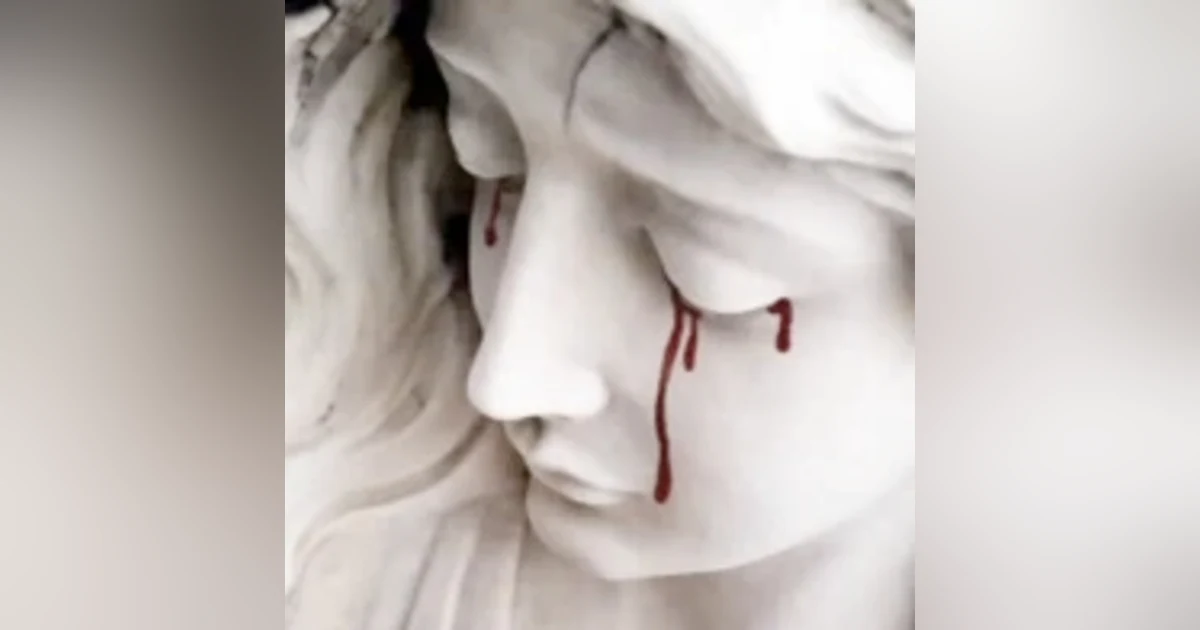

Can belief leave a mark on the body?
In this episode of The Bizarre AF, we explore stigmata—the mysterious wounds said to mirror Christ’s crucifixion. From the divine visions of St. Francis of Assisi to the controversy around Padre Pio, we dive into the Catholic Church’s stance, the canonization process, and what Roman crucifixions really looked like.
We also explore modern psychology: how trauma and deep empathy can physically manifest through conditions like conversion disorder and mirror-touch synesthesia.
Is stigmata a miracle… or the body’s way of telling a sacred story?
🎧 Listen now.
#Stigmata #PadrePio #SaintFrancis #BizarreAFPodcast #CatholicMysteries #SpiritualPhenomena #TrueMysteries
0:00 Hello Bizarre story friends, if you're tuned in now, you are listening to the bizarre AFA place where we talk about the strange, the unusual, the unknown, and all things bizarre. AFI am Alicia, your Hostess for today's episode and as always, we ask that you keep an open mind. Keep a skeptical ear, but keep on listening to those facts as we take you on our newest journey. Wounds of wonder, the divine, the damned, and the body that bleeds. Well hello Kevin, my Co host with the most How are you darling?
1:03 I'm doing. Great. Today, how are you doing? I'm. Doing good. Good, I'm doing good. You're looking a little saintly, I feel. Yeah, what is that I? Don't know like like like maybe you could you could go through canonization. Hilarious. Yeah, you did not. You clearly did not grow up Catholic. Near. No, you were, you were definitely Christian, right? You grew up kind of well, but also you did automatic writing Presbyterian. Yeah. Presbyterian only because my friend. Yeah, that's right. What's Presbyterian? And Presbyterian is probably one of the more mild versions. I would I would say they're known, as I've said this before, they're known as the the nerds of the Bibles. They really like dig into the history and the culture that was going on at the time and what these like different aspects of Aramaic, what actually meant.
1:55 So so you're looking at the breakdown of words. You're you're really nerding out for sure, which is way better than like, I don't know, something where people might be speaking in tongues, especially if you were not like, you know exactly. But Cat, have you been to a Catholic, a church I. Have, you know, I went to, I went when I was in the military, I was in basic training. And you know, it's, I don't want to say traumatic, but like, it's a shock, right? And so. Oh yeah. And being in basic training. Yeah, and then you get into your tech school after you go basic training to learn your trade and you're just trying to find, I don't know, you need comfort of some sort. You don't get to speak to your family in in basic training.
2:37 I said once, I think maybe we did. And some friends that I had made in my squad of them were very Catholic. And I'm like, OK, well, I'm gonna go. I'll go go try it. Sure. Right. Sure. Why not? I like these people. Maybe I'll like that. Yeah, exactly. And I realized licks are a very symbolic, like there's lots of rituals and lots of things. Wow, this is intense. And they seem very strict, I guess is the one. I don't know what the word is, but. They might like they might like you to call them devout. Sure, right, But strict is a great is another like great term for it. If you went gone to mass, they like stand up, they sit down, they say things. I remember I sat next to a friend and I was like, what are you saying?
3:20 And she's like, I don't know. She's like, let me go back through it. It's also memorized like those the different rituals and ceremonies are so memorized that you don't you kind of lose, lose. It's become so rote that everything like loses any kind of purpose or you forget what the words actually mean because you said so many times, right, Which kind of goes into what we're going to talk about today. You know, there are really stories, ancient, strange, sacred, where faith becomes flesh ultimately, where invisible, invisible pain can quite literally RIP open, spin a skin, and where devotion isn't just heartfelt, it's hand, foot, side felt. This is the in the realm of stigmata, that's what we're talking about. Yeah.
4:04 So they're wounds that mirror the crucifixion of Christ. What we're going to kind of explore today is like, are these miracles? Are they manifestations of trauma? Are they, you know, mimicking somehow your brains like mimicking something. And really, we're going to be exploring 1 of Catholicism's most confounding mysteries is stigmata. And we're going to kind of trace it from, like, medieval Italy to the Vatican archives today and from modern medical journals to stories of people that were so empathetic that they bleed when other people suffer. So maybe we'll learn a little something about how belief kind of lives in the body.
4:46 Is it possible? And and back to what we were saying before about how powerful the mind is to the extent that there's things we haven't even. Touched even touched the surface. Yeah, yeah. I mean, we were talking about, you know, a few podcasts ago, superhumans, superpowers are these exactly. Is that is that maybe a form of stigma or religious like devotion? So one thing that I was, you know, really wanting to touch on was, OK, how the hell did the like, what do the cat, what does the Catholic Church think of it? I mean, this could be either an amazing PR, you know, move for the Catholic Church, right? Or it could very easily backfire, right? Like this person's just fucking crazy, right? So the Catholic Church does not officially endorse every claim of stigmata.
5:37 And actually the Catholic Church, I'm sure that you've seen it like at least in the exorcist, you know, you have to have like an entire body coming through and saying like, does this person actually need to be exercised? Like is there a demon there or is this potentially psychological? One would think now today we have more of a stringent following and the Catholic Church would one thing that I thought was kind of crazy about that is you have you have the Catholic Church that would greatly benefit from from this PR. You know of my God, look at the look at the hands of this father donate to the Catholic Church today. You know, sure, but they are very skeptical and it might surprise you, especially like when some people like Saint Francis of Assisi, which we'll talk about or Padre Pio Pio, they're they are canonized Saints.
6:28 Like we were talking before. These people are are normal people that used to be working for the church as you know, priests. They were canonized and moved to sainthood. So this is actually how the church approaches stigmata and evaluating it. So the first one, the first thing that they look for is they signs of self infliction did this person is this clearly. Stabbed their hands. Yeah. And has it healed over? Does it seem like it's, you know, it's something that they actually did themselves? The wounds must appear spontaneously and resist natural healing. So if they're with Padre Pio or with you and you start getting stigmata, you start seeing like natural healing. Well, you probably did that. It was probably self-inflicted. OK, hang on a second.
7:09 It's not healing normally. So they say that if this is God's work, I guess. Yes, a miracle A. Miracle and you start bleeding from your hand, right? Is that have to be that? Doesn't have to be your hand, it can also be from your foot. Oh, your eye like crying blood or something? Crying blood. There are very specific stigmata. Specifically is wounds of Christ. Christ well. That has to be foot in hand, right? Oh, I guess. Crap. Side 'cause he was he was pierced in the side by by Roman soldiers at the. End. And so they're saying that if that occurs, if it is a miracle, then you wouldn't heal. It would not just like all of a sudden heal because here's the thing. How often do you have like a bruise on You're you know, you're like, oh shit, I have a bruise on my leg. Like, how did that happen?
7:57 You know, yeah, like that happens often for me. I'm like. Where did that come from? Yeah, where'd that come from? Or like, huh, Did I take my iron supplement? So it could be something as simple as that. You cut. OK, You cut yourself on the hand or whatever. Maybe we're sleepwalking, but it's healing over. For it to be a true stigmatic situation, they have to appear spontaneously. OK, so there was nothing before it. Just suddenly it's just there and it's resisting natural healing, Right? And the first one was no signs of self infliction. So it can't be, it can't be something that looks like he clearly did it to himself or they clearly did to themselves. The third criteria is that the recipient must display extreme humility, piety, and have no desire for fame.
8:42 OK, sure. Which makes sense. Makes sense, right? You're humble like Christ. This is a God-given thing. God would not give this. I guess gift. Is this a gift? I don't. Right recognition. Attention. Attention, right, Because I mean, think about, think about like the stereotypical teenager, don't understand me, I'm going to become a goth, you know, and like, you know, but they're not looking for any kind of fame. They're not looking for monetary gain or anything. These are just people who have the wounds have shown up. Yeah. And they're not trying to get anything out of it. Sure, they just can't explain it. Yep. Okay. The 4th criteria is behavior must remain psychologically stable and virtuous. Makes complete sense, right? Right.
9:23 So over time they have to just keep kind of checking I guess and they determine that their behavior is staying consistent. They're not like. Like going crazy, yeah. Yeah, yeah. This person's like psychologically balanced, yeah, which is like makes a ton of sense, right. You want to make sure if if if someone seemed to. Because, you know, people can fall off the deep end. Hey, how I've felt like I've almost fallen off the fucking deep end. You can be normal one day and then all of a sudden you, you know, are depressed or you're manic or whatever. So they can't have any signs of that, right. Yeah, they're super stable. So the majority of the reported cases that come to the Catholic Church are dismissed, right?
10:05 The Catholic Church does. Explain it in some form or fashion or one of those things don't apply. Yeah, Yeah, they have. They have like kind of like an investigative team that goes and like looks to see, are these miracles like genuine miracles or is this person just like full of shit and crazy? Yeah. So a lot of the the stories that they have are, you know, quietly dismissed. You never hear about them. They or they're, you can label them with something like, for instance, psychological, right? This person is clearly in a form of mania, a religious idol, idolization, and they think they're the Christ. In reality, they might have some kind of mental illness. Sure. So because most of these reported cases are dismissed or, or labeled as psychological or fraudulent, right?
10:51 It's just a fraud trying to get money in some place like small town and have have people come because here's another thing. When these people come out, like we'll talk about Padre Pio, people will go looking and searching for a miracle. They are like dying of cancer. And if you're, if you are on your deathbed or your child's on your deathbed or your loved ones on your deathbed and you're like, I need you to pray over this holy water. It's going to somehow heal them. They're looking for anything. You're grasping for straws. So people are coming with money to these small places to try to get a prayer, a look in that same direction there. You know, it's people who are up against it. And there's a lot, a lot of money that could potentially be made. So it would make sense that if it is ruled as, you know, fraudulent, well, OK, that's clearly not God. But if it's not, if they meet all the criteria, then we have a miracle.
11:43 OK. So if we have a miracle from the Catholic Church and you have someone who like Padre Pio or Saint Francis of Assisi, well then what happens? They're both now Saints, So how? Right, right. So this is a miraculous thing by God. So that Saints you. It has the potential to Saint you. And that was one of the things that I was thinking about. I'm like, well, you know, like we were saying, Catholics are pretty strict. They have very specific rules. What would he? What would even look like for them to be canonized? Ultimately, it's not just miracles in order to be a St. it's about being a martyr, having virtue, and during the impact of a holy life's. Ultimately your reaching out to the poor like feeding the hungry.
12:32 Things one would expect a St. to do. Exactly so you're a servant of God. Yeah, you're venerable. Which the Vatican actually can declare whether or not someone has had heroic virtue like through this they they also look at these potential Saints reputation where they they actually like doing some shady shit on the side if they weren't OK, let's continue down. They can be be beautified be aid. Oh God, I'd kill myself later beatified. I know that you're listening and you're like, this is how you say Alicia, it's so stupid. Well, guess what? I don't know right now, but but what basically what that means is that it's a one verified miracle. So each one of these Saints have had one miracle that has BeenVerified. It's not necessarily stigmatic, but it can be okay. It's usually some kind of healing to. Themself or.
13:23 Others. That they've like anointed on others, yes. Okay, yeah, so when you think about I, I always used to watch Unsolved Mysteries and there there were people who would like, Oh my gosh, I went to see Padre Pio and. Healed me. He healed me, I was blind and now I see. Sure. OK, got it. So they are, you know, it's just through like the act of, you know, basically God blessing you and you're, you're acting as. Yes, the vessel. The vessel for God's current? Sure. So a second miracle confirms sainthood unless they were martyred. So if someone was killed in the name of like religion or you know, killed for God but you did 1 miracle, then you could become canonized, you could become a St.
14:09 OK right? But if you did the 1:00 and you're still alive. You're still alive. You're still like, yeah, you haven't done enough. We need to we. Need like another miracle, yeah. We need proof, but I mean, it would make sense or else you'd have a million Saints, which actually they kind of do have, but you know, still like, you know, we try to limit it. Sure, like I said before, stigmata, we would need that second miracle to confirm that sainthood in order to become a St. So stigmata is definitely not required. And honestly, in modern times, like today with the Saints that happen, it's actually barely even considered proof of anything divine. It's really seen more as a sign to look further into that person, so to investigate sainthood, rather than like, okay, here you go, here's a miracle.
14:55 It's like, no, no, that's not they. Healed somebody and then got stigmata Ed right. That would be kind of like a confirmation or that's still today not enough. Well, they would have to at least heal two people to be considered a St. But what if they first got Stigmodid? So we're going to start calling it. What if they first started getting Stigmodid? Well, if they first got Stigmodid, then it's like a beacon of light. Oh, hey, there's something up. God is doing something here. So we need to go and like investigate that person and see if we can find a miracle. What is a miracle? We don't even need to go into that question. So the first stigmatic Saint we talked about right before Saint Francis of Assisi.
15:46 So he was really loved for many things. You've probably seen Saint Francis. It's just like 18 hundreds 1900s. It was like 12 hundreds. 1200s OK. Yeah, back in we're. Good all ways back. But he's a favorite for a lot of people, OK, because he loved animals. He took a vow of poverty and he had a poetic joy and suffering. So he was he was kind of like the emo. I I like to think of him as like the emo in his feelings. A St. which Catholics don't kill me. Come on. Like I'm just having fun with it. You're welcome, but. Some reason I don't think we have a lot of Catholic listeners, but that's just me guessing. If you are, I would love to know is Saint Francis one of your favorites? I know that they were as a kid and it's because he was like, he was like the animal. Like if you had, if you really loved your, your like your dog or your pets, or if or if your pet ran away, you would pray to Saint Francis to have him help find. So he's like, he's the they have like patron Saints for different things and he's like the animal.
16:44 OK, so in 12 at 24, something happened that forever changed his story ultimately, and it really kind of started the story of Catholic mysticism. So he was praying in solitude on Mount Laverna when he saw a serif, which is a six winged Angel. Look it up, it's scary as hell. That sounds scary. Yeah, it's definitely not something you want to be seeing when you're praying alone, you know, on a on a freaking mountain. OK, so he sees A6 winged Angel with the crucified Christ, like with Christ on a cross superimposed on it, right? So it's like. On the 6th.
17:24 On the 6th wing Angel, OK, it's it's 1224. We do have not seen projections of shit. Like the closest thing that we've seen of a projection is a fucking rainbow or shadow. Like that's that's it. Like so you see that on this six winged Angel. But remember, he's a priest, so he knows. I'm sure he's a learned individual. He knows, he knows that this is a seraph. And then he sees Christ like on the cross. After the vision ended, Francis discovered open wounds in his hands, his feet and his side. OK, lining up. Right. So these actually bled, but they didn't fester their end in 12/24. I mean, they didn't have antibiotics, didn't have like, they had like, like salves and stuff made out of everything was very, very dirty, Right, Right. His wounds were not pussing up and, you know, getting infected. And according to his followers, they remained fresh until his death two years later.
18:21 Wow. So he had, he had the whole thing. Everywhere for a while. Yeah, yeah, he was just, he was just dripping. He was really like his drip was on. So whatever on fleek. I don't know what the fuck they say now, but so he had those wounds on his hands, feet and his side. Because if you don't know, Jesus was crucified side. So they crucified him on a cross, His arms were out, feet down. And then to confirm that he was dead, a soldier then pierced his side. And that's in the Bible. That's like the story. So there was historic documentation. Thomas of Solano, which was a he was a Friar and a biographer actually wrote about it soon after Francis, St. Francis of Assisi's death and then Pope Alexander the 5th or the 4th confirmed the event in 1255. OK, so his body was then inspected after he had died, after Saint Francis had died, they looked at his body and they didn't find anything that could point to how these wounds were created and why they weren't healing. So Saint Francis's stigmata really kind of set the spiritual bar where stigmata is concerned.
19:26 He is like really the first one. I'm the first stigmata guy and the idea is like he had such intense devotion to Jesus that his soul and his body really joined with Christ. Suffering now. Okay, I have a couple of issues with Saint Francis. One remember this was back and okay, 12/24 was when he had his vision. Two years later, 12/26 is around when he died. Soon after his death is when Thomas of Solano, the Friar and the biographer, writes about his stigma, Francis stigmata. And then in 1255, Pope Alexander says, oh, yeah, yeah, yeah, I know this happened and I can confirm it.
20:09 So this was like 30 years later, the 31 years later that the Pope is like, yeah, yeah, no, this is. Legit, he did have stigmata. OK, was he the Pope the whole time? That's the question. I have no idea. I don't know. And why now? Exactly exactly what, why now? Why two years after it's like kind of muddies the water Like is this legit? Why are we saying that he did have like the stigmata was not written anywhere else. Was it a lie? Was it The Who knows who knows? I, I just think it's really weird that you don't hear anything about it. Before 12/26 we would think that there would be something because by the way, these are all like monks or, you know, learned people.
20:51 These are intelligent people who know how to write and read. And that's a lot of what they fucking did. And you know. Yeah, they wrote and read. Yeah, that's yes. And probably did some other shit, but like, but that was like that's like their thing, right? So you would think there'd be more information about that, Francis Yes. It just kind of, I don't know. Especially such a miracle. I mean, yeah. I mean, this is like we have top notch like this is like the thing. Yeah, yeah, this is this is like a bizarre AF story. We are bro God, Jesus. That is our life. OK? We've devoted our entire world to this, right? This proves God's love or God's, you know, potential reality. I.
21:33 Think this would be everywhere. You would think it would be, yeah. And it wasn't so, I don't know, just kind of like, so we were talking, I brought up Padre Pio because he is like the newest version of stigmata that we like as well known. And now he's canonized. He's a St. Really the question here that I have is like, since we, since this is a pretty recent story, how recent? He was born in 1887 and died in 1968. So so he. Pretty like, we have pictures of him. We, we know a lot more about this guy, right? Well, pretty relatively new 700 years later from Saint Francis of Assisi, right? We're back in the 1200s.
22:15 Now we're in 1918, Like I said. An Italian Friar named Padre Pio reported a sudden pain in his hands and feet during prayer. OK. Soon after, blood appeared. Then it was matching on his hands Christ's crucifixion. So for the next 50, Padre Pio's stigmata bled continuously. Holy SH what? That's awful. Yeah, you can see pictures of it. Like there are pictures of him in various stages of life with his stigmata out. Like there are some like where he's like the. Hands wrapped, I wonder. He did, yeah. He had cutesy little gloves like. Like what is he like? Was it literally? Bleeding or like you'll OK, so you'll see it like if you look online, which you know, you can Google, but I I can show you like some pictures right now you can see the pictures of him and he is there are like some images where he has the stigmata. You can see that it's like in his hand. Hand is, it's like an.
23:13 Open wound, right? Like his palm, his whole palm is bloody. Yeah. And then him as like a younger guy and you can kind of see that. OK. Right. I know, I know it adds question. There are a lot of questions. But he did have like a cutesy pair of like fingerless gloves that he would wear. Yeah, look at that. Which actually I do like those. I I get it. I would definitely wear them. What a stylish way to take the stigmata. Just in case you're grossing people out during community, you know, don't. Wanna look at the hole in your? Hand you don't wanna look at the hole in your hand and like don't really want to get like some of my blood and like put all over it. OK, so, so for the next 50 years, like I said, his hands were he was bleeding continuously and not just in his hands like everywhere, thousands of people like from all over the world, Catholics came to see him. His he performed masses, right?
24:01 Like that's sure he was the head of the church and they would have mass on Sundays, he would perform masses and they were jam packed. Well of course, because in their mind, isn't Jesus coming through him? Like he literally embodies a real life Jesus, right? Isn't that the idea? The Yeah, the. God is coming through him. He is he is but a vessel, but a vessel for for God's like God's power and strength. So like, why would which makes a lot of sense to me. Like I think about it, I'm like, if I am a person that is up against it, I have weeks to live left and this guy has stigmata. I'm a devout Catholic. Oh my God.
24:44 Well, of course you're going to go there. Of course. Like hopefully I can have him pray over me maybe. Touch me. Whatever. Yeah. And maybe his prayers, you know, are stronger than mine because there is like that, you know, that notion in Catholicism. It's like, you know, you confess your sins to a a priest and a priest tells you how to the blood of Christ is not enough. It is, you know, by praying different prayers and tell like, like you, you have to confess. So it would make sense that through a religious man, through your priest, they would be able to. Absolve you or heal you or. Exactly. Heal you. You're it's not enough for you to pray. If he's praying, he's got the stigmata.
25:24 I mean, come on, God. 'S this is like that man. He's the man. Yeah, exactly. He's the vessel. So, you know, people continue to just like, go, you know, to his masses and they are claiming extraordinary things, right? They would say things like, you know, Padre Pio, like healed me from blindness or from this cancer. And people would go just specifically to see him. Also at the time, there were wars that were going on, OK? Like there are wars in Italy. People were looking for any kind of, you know, purpose, miracle, hope, hope. Exactly. So this guy who has stigmata, of course you're going to go to him and try to get healed or or even just be around someone who seems holy. So even if he wasn't holding masses, hundreds of people would still go to just to get a glimpse of him or see him. So there are people that were close to Padre Pio that claimed not just stigmata was his gift from God. OK, so those close to him actually attested that he began to manifest many spiritual gifts. OK, the gift of healing.
26:31 We already know that. We already kind of talk. People have already said that yes bio. Location. Bio location? What the fuck is that? It's where a person is located or appears to be located in two different places. So I might be here right now, but then I'm also. Also in some other place, yes, healing people. Healing people or like telling people God is with you or like pray this or whatever. So kind of a cultish, but this is something that we've seen in like Greek. This was like Greek mysticism. This is like kind of has that. So people close to him said, Oh yeah, yeah, no, he it wasn't just yelling. He could buy a locate. They also said that he could levitate.
27:12 They he would prophecy like he would. He would, you know, tell the future. OK. We talked about the miracle. So miracles. These are miracles, right? There was an extraordinary abstinence that he had from both sleep. So he didn't sleep very much at all and he did not eat very much. There was actually one account that's one of the Padres recorded, which Pio was able to subsist on for at least 20 days without any nourishment. And this was around the Holy Eucharist, which is interesting. They also said he had the ability to read hearts so he could read like what people's intentions were or what it was that they needed. And the gift of tongues, which we had briefly kind of gone over. Gift of tongues is when people are talking, the idea is they're talking in a different.
27:56 And that's the the language of God, right? Or that's the voice of God or something like. That language of God, the language of the angels or even like an an very old, like maybe Aramaic that people will speak in. These are ancient, ancient languages. They said, yeah, he could actually speak in tongues and was able to convert a lot of people. Of course, you know, they're coming. They're coming there. But they also said his wounds, these wounds in his hands, they smelled pleasant. Yeah, which is interesting. There wasn't festering. It did not smell like blood. It smelled like nice. Yeah, I OK, I want to say so many things. So as all this stuff is happening, right? Like there's, he becomes incredibly well known. You know, he died in the 1960s, this guy. And this is like when you know, photography, being able to get movies and you know, pictures to people all over the world. So it's like perfect timing for something like this to happen. He actually became a spiritual director and developed 5 rules for spiritual growth.
28:58 So these were his rules, which is interesting. Weekly confession, daily communion, daily communion. I don't know if you've ever taken communion. No, Yeah. I mean, so I grew up Presbyterian like you. Catholics quite honestly believe that the blood and the body of Christ like that way for that they're taking and the, and the wine that that is quite literally it becomes it is Jesus's blood. That's what they believe. And you have to confess and do make sure that you're, you know, doing the right things before you can actually take Christ's blood and like this sacrifice the sacrament. So there are like rules, whatever. I mean, come on. Like you have to, you have to confess daily in order to be OK spiritually or weekly and confess weekly.
29:39 I have daily communion. You have to have spiritual readings, meditation and an examination for conscience. So that's like his like whole fucking spiel ordeal. And and this, OK, this exam like what? Who does that that like your priest, The examination, the last one, the. Self examination, self examination. So it's which actually is kind of, I mean we like if your. Perspective. Yeah, yeah. Like, look at yourself. Are you a good person? Like, what could you change? We should all probably do something along those lines. OK, got. It right. So the idea like, you know, I just wanted to talk a little bit about like him, but his stigmata actually really set the spiritual bar because his devotion was so intense and we had photographic and like visual proof that we could now show the world, right. The Catholic Church could right as you close your eyes and roll roll your all those eyes in the back of your head. It's so funny, like I can like all of my emotions and my I wear everything in my face.
30:37 Like I can't hide anything. No, you can't. Which I love it because then I know but. You know exactly what I'm thinking. I. Know exactly what you're thinking and I'm like OK now I have to play up this final so you know he his devotion was so the idea was his devotion was so intense his soul and his body once again like Saint Francis of Assisi, you know joined with Christ suffering. So Padre Pio really like, has this big name. People are, are, you know, asking questions, visiting him. So the Vatican's like, OK, we need to figure this out. This is a Franciscan monk. And Franciscan monks are like, you know, you think of those guys with like the not loincloth, but like those like, like basically brown. Yeah, Roby things. Roby things that are like basic and that's that's a Franciscan monk and the Franciscan monks have very specific rules. You live a life of poverty and help people ultimately. So the Vatican's like something's happening here, we need to go and see what's going on because we're getting a lot of attention and don't know if it's good attention. They actually banned him from doing Mass publicly. The church starts banning him.
31:39 Yeah, they're. Doing this you need to stop we we cannot have you do like do mass like these this. Is too out of control. They think it's getting too crazy. Getting too crazy. And we also need to investigate this to see if it's legit or not. Yeah, yeah, yeah, yeah. Right. So in some letters that he had from 1920, you can see this on like, Unsolved Mysteries too. You can see that Padre Pio is ordering carbolic acid. OK, OK. This starts raising some accusation. What is it? It's it's like a kind of like a paste. You can create a paste that it's acid, it's acid, right? So it's not like it's not. Do we know what it's used for? Like what is it's ultimate purpose? Let's look it up. OK, so you're so this they find out that he's ordering this acid and you're saying they determined that you can use it to make some sort of a paste.
32:29 It's, I mean, OK, so it's highly poisonous. So this was, this was a carbolic acid that is that was ordered from the pharmacy, OK. OK. In dilute solutions it's been used as a disinfectant and an antiseptic. Okay. It's like one of the key ingredients for a lot of industrial processes. Okay, so. But he's able to order this somehow. He's able to order it from the pharmacy. Okay, they find record of this. Okay, now here's here's the question is like, did he use it on his hands? Well, what is it? Why you can use it? So, so it's like a disinfectant. So like if you if you like was. He maybe trying to disinfect his holes. Could it could have been could have been he could have been he could have been putting it on to cause because because if you don't dilute it. It could like, you know, it could have caused his hand to bleed.
33:18 Those pictures, his whole palm, it was bloody. Now I'm sorry, if you had stigmata it would be a hole in your hand that would be bleeding down. Like why is your hole just your whole palm bloody? It's a good question. It was. It looked weird to me. It did look, really. It looked weird. It I mean, the picture on the picture that we looked at, it wasn't like the best quality. No, no, but you could see his whole palm was red. It was the width and almost height of his. Palm. Entire palm. So yeah. Or you were to take that acid and rub it on your hand. If it starts eating your hand, that would make sense. What would also be interesting is, but did you see anything on his fingers? I didn't see anything, any finger, anything on his fingers like showing that. There was getting eaten.
34:01 Yeah, Yeah, no. Just on his palms. He used a paintbrush. He could have used a paintbrush. Yeah, but but like I said, like if you don't dilute it, it will eat away. It's an acid. It'll eat away your skin. Which makes sense, he wouldn't have used his finger. Right. That's very true. Yeah, Yeah. You're you're going to use a paintbrush or something to apply it? Potentially, yeah. OK, so this reason raises questions. A question, right? Yeah, we're sitting here like saying, OK, in 1920 you can go back and see that he did order some and he could have caused those wounds himself like we were saying, OK, brush the. Theory, yes. Doctors at the time are actually divided and some said that the wounds defied explanation. And other people, Other doctors at the time said this is clearly a dermatological trauma, OK.
34:43 This is clearly just a skin trauma. There is this is a skin wound. It's not going into the, you know. Which would make which would align with the acid. Right, right. And potentially had further question as to whether or not this is a God-given thing, because if it's only the skin, you would think that it would like penetrate a little bit more, right? Or it wouldn't just look like a burn. Like a serious burn Right question. Yes, why would I would say that's what in my mind, if this is truly an act of God, it would it would be what I would picture to be the same wound of Christ. Right, Yeah, yes. And you know, I mean, people do crazy shit, right? Like, oh, no doubt.
35:24 So like, would you create this trauma? Maybe. Yes. It could be because you're so devout and you're like, I want to have like some kind of feeling like like I am Christ. I live my entire life. I want to have this pain. Do I create it myself? Do I lie about like there are? Talk himself. He could. You could talk yourself out of thinking. You're lying too, by the way. Absolutely. Yeah. You're so devout. So devout. Yeah, this is this is your own eternal salvation we're talking about. Yeah, he could think. He's not being mischievous, Yes. Well, and while he was alive the whole time, the Catholic Church is doing these investigations. These investigations don't end with his death, OK? They're continuing to look into everything. Was this real? Was this not real? Like, what is the legitimacy here? During his life, Padre Pio still living a life of poverty, helping, doing all the things that he had to do, right? As a Friar, as a Franciscan monk, his devotion never wavered and nor did the people who went to visit him, right? For these miracles, he was canonized organized in 2002. Really.
36:26 Really. There's still debate though. Well. Clearly did he The church was convinced, yes. Otherwise they wouldn't have done it right. And remember, we, they have like criteria. We, we went over a basic criteria. I mean, the criteria probably is much more storied and they probably have specific accounts or accounts and interviews and stuff. But this was, you know, close to 40 years after or, yeah, over like 40 years after he had died, right, That they finally canonize him and have enough information to say, yeah, that's exactly what happened. Really. The the debate still swirls. People still call him a grifter. They still say, you know, he did this himself. This was his own inner torment. People will have psychological issues or like, you know, inner self hatred and like, cut themselves or like do self harm. Maybe he had his own inner torment. That's what some people say.
37:16 Other people say that he's just a grifter. But some people, I really believe that he, he was a, you know, truly blessed by God. One thing I was thinking about when we were doing this, I knew because I was raised as a Presbyterian art of the Bible. Just do. Do these wounds actually depict what Christ's crucifixion would have looked like like historically if we go from a historic context? OK. Are these correct wounds? Right. Do they line up? I know the answer to this, but what really did happen to Jesus? I'm going to tell you. So the crucifixion itself, you know, normally we see like in the the Catholic Church, a lot of churches, you know, you see the nail through the palm of the hand.
38:03 Yeah. Now if you are on a cross and these like crucifixion deaths, like public, public deaths were legit. These happened all the time. And it was really oftentimes too. These types of these crucifixions were commonplace. Weren't necessarily commonplace, but they would happen, especially if you needed to make a case for like, don't be this asshole. Yeah. Yeah, like. It's not like this was an original death method. Crucifixions. Crucifixions were a death method. You know they weren't. Is this what? Jesus's crucifixion wasn't a unique death. Method it was not right no this happened historically you can eat there is historic documentation for this yeah legitimate sources so like I said you see it through the palms through the feet yes the palms if you had someone on some wood it would not hold someone's weight because you remember people did not die straight away when they were crucified it was like. Yeah, why would you?
38:59 No, no, no, it was, it was a very slow death. And really, that when, and I was talking about the spear to the side, that Jesus had that wound, yeah, that's really seen as a mercy to someone. To just end it yeah, but didn't they they didn't tie him as him up. I just made an assumption that if you're. Tying someone up, it would take hours, days to fucking die. No, but I mean the nails aren't holding your hands up, but the ropes would be. The ropes but but still like how long are are the ropes like you're dead weight, you are dead, you can't. You are dead weight. Yeah. So you are dead weight. How long is that actually going to even like they have to when they're if they put it through the palm specifically, yes, then your hand is just like the nail goes through the hand.
39:44 Yeah, it's not like it's going to stay perfectly. And you're still catched, right? But then you have use of your arms and your hands, Yeah, even if you're still tied onto the onto the cross like you're still, you have use of your hand. Provided that you came loose from the nails, right? Yes. So they would never actually put a nail through a hand. They would actually put it. The Roman crucifixion was likely through the wrists that they would put the spikes through. Really. Yeah, it's a much stronger. Because of the two fever, the whatever those. Are. Yeah, it's actually the radius and ulna. OK, so the feet were? Junior high biology. There we go. The feet were actually nailed either individually to the sides or or stacked on top of each other and then nailed through the heel. OK.
40:32 Sometimes there was a support block at the bottom to prolong the suffering. So like I said before, this is so gross. It's so gross. But like, this was a public. This was like a warning. Prove a point. Exactly. So there was actually a rare archaeological find from 1968 where there was a crucified man and they could confirm from this crucified man that he did have an ankle nailing. So his bones showed trauma which were consistent with that spike or nail being driven through both feet like what we see in with Jesus. So his side wound, which was described in John 1934 was likely from, like I said, a spear actually, or maybe a a sword.
41:14 But they they say spear so it would Pierce the lung or the heart to to confirm death to make sure the person was dead. OK, so now that we know likely the crucifixion was through the wrist, the wrist, why are these people having or showing their hands having trauma? Because that's what they've been told. Right. Is it a fake? Is it psychological? I don't know, but I do think it's a really good question to ask. Is this a psychological issue? Stigmata. So what if I actually told you that some people don't need a vision or a miracle to bleed? The mind has so how much power over the body, which we talked about. And sometimes, honestly, it's devastating. So there is a thing called conversion disorder and it's a functional and neurological symptom disorder. And this is where emotional trauma causes paralysis, seizures, blindness, and there's no medical cause. OK, so someone has.
42:06 I believe this, yes. Which makes total sense. Total sense. Like people will wake up one day and I can't. I can't move. See, I can't move. Yeah. And it is 100% because of the trauma that they have endured. And it's almost like a protective mechanism, right, that their brain has for them. Actually, soldiers in World War One often went shell shocked and they were unable to walk despite 0 physical injury. They were so and they, this was, they called it, called it shell shocked. And the idea was like it was all trench warfare. This was the first war, like industrial sized war that, you know, we were around and these people saw death around them all the time. There was mustard gas.
42:47 There was grenades being launched. This was not hand to hand combat or battle anymore. You're not looking your enemy in the eye. You're throwing something over, you know, 20 feet in front of you and causing someone's death and seeing the people right next to you die. And so people would come back from more shell shocked. They couldn't walk. They would, you know, cry. Like you can see old footage on YouTube of men who are shell shocked, which is pretty fucking crazy. But through therapy, through, you know, being around other soldiers talking, I don't know about the shit that you've seen. People could eventually sometimes come out of it. Sometimes they never did, but some people would. So there's also something called like psychogenic bleeding, which I had briefly touched on in the intro to the podcast. So this is actually rare cases that have shown skin breaking out in blood under intense emotional stress. And now this is typically documented in people who are suffering from an extreme grief or religious fervor. Gotcha.
43:48 You're right. Probably because emotions are can be equal. Right, emotions can definitely be equal. Like they talk about there is a, there's a syndrome that causes your heart to it's basically from grief and your heart will stop working because you're so heart like quite literally heartbroken. Your heart totally breaks and it just stops working. There is nothing physiologically wrong with you, but it's like your brain tells your your heart to just stop. You can't go any longer. So some people do feel in physical sensations when they see other people being touched or harmed. I don't know if you've ever watched like a scary movie movie with someone. And some people like, Oh, I can't, I can't watch that.
44:28 Like it's too hard for me. Oh, I feel like, I feel like I'm going through that. Some people will watch a movie and never feel that empathetic, you know, reaction, right? For me, I like if it's a suspense, I'm like, Oh my gosh, I'm getting so hard right now. Like like I, I start sweating like it's, it's a lot. I it's a huge deal. But some people like they, it physically harms them when they watch horror movies. They feel like they're going through pain, right? And it's really it's a subtype of extreme empathy, so they receive real pain that is witnessed from suffering. They actually did psychological studies on this. You can watch it on YouTube where someone has a fake hand arm.
45:09 On the with the wall, yes, that's fascinating. So fascinating. So, so what's happening is like, you have a divider and you have a fake hand and a real hand or the person's real arm, right? And whatever's happening on the fake arm is also happening on their arm. Feel it? So before they put up the divider, they're doing the exact same things. Yeah. They're moving a pen up and down. And they're watching them put the pen up and down on the fake arm while they're also doing it on their arms. So it looks like and feels like it's happening to you on the fake arm. Yeah. And then you have a divider, right? They know there's, that's a fake arm, Yes, they're aware of it. And then the person who's doing the, the scientist who's doing the the actual thing grabs a knife and stabs the. And people say, I feel like that was my arm. I felt like you stabbed me in the arm. They will shriek in pain, yes, because they like that's the brain.
46:04 Yeah. That's the brain. Like, yeah, that's the empathy. So, you know, people like there's like I said, people can will do it like through being hard, like they'll watch someone who's being harmed. They'll if you witness suffering. Now let's add in to that deep religious belief. Sure, OK. Yeah, deep. Deep we're talking, we are talking people who quite literally devote their entire lives to this religion to this purpose. Layer on top of that trauma, right? The death of Christ. We talked about it before it is fucking traumatic just to even talk about. And if you're like being, you have all this iconography around you, and it's all like suffering pain, you should be thinking, you know, you have a lot of guilt and trauma from that. You're a monk.
46:51 You're a Franciscan priest. You're isolated, right? It is the perfect fucking storm for the mind to produce sacred wounds. You could. Yeah. You could definitely do that, right? Of course I mean that yes, I can see it. It's not far fetched in my mind. Not at all. And there's there are books today that you can read like for instance, the body keeps the score. I would say everyone should you can like listen to it for free. An audio book body keeps the score. It's actually by doctor Bessel Vanderkolk totally talks about how trauma is stored within the body. This is I don't know if have you ever done trauma therapy or anything like that. No, I have. And I will tell you there are places in your body that you can feel trauma.
47:33 And when it's it's released, it's ridiculous. Like think about people who get like chiropractically, like adjusted or a massage and it's like, holy shit, that release, instant relief. It's instant relief. Or people will start crying or laughing. Like I the first time I got a chiropractic, like, you know, adjustment, I started laughing. It was the weirdest fucking reaction. Isn't that weird? Yeah. Yes. I don't know why it's I maybe it was like being scared or maybe it was like releasing something deep within me. I, I don't know, but it's one of those things that like your body knows and your brain might not be able to process it, but your body does keep that score of trauma or that experience that you've had. There are a ton of NHI or NIH case reports on people who are bleeding like it's like sweating blood, like think of the, the crown of thorns or whatever and like Jesus. So people will see that and like be so empathetic, they will start bleeding down their faces.
48:30 And, and I mean, they have a disorder called conversion disorder. People like we were talking about synesthesia, right? Like synesthesia where people relate one thing that two things that are seemingly not related, you relate to it and it's it's this feeling that you have. So ultimately, like at the end of this, I keep on thinking like, what is stigmata? Is it? What is it I? Don't know. Is it a divine imprint? Is it a psychological phenomena? Is it a strange kind of psychosomatic cry for meaning? Or maybe that's really just a mirror and the answer kind of depends on what you want to see. No doubt. When you look. At it, no doubt. No doubt. All I can tell you is that the line between what we know, what we don't know, spirit and skin, it's the way thinner. And then we fucking think.
49:15 We talk about it all the time from whether it comes from the heavens, from the heart. Stigmata is another case that kind of reminds us that there might be more to this fucking world than we think, right? So. There's a lot of unknown, yeah. That just proves that there's unknown. Yeah. So weird. So. Weird. And hopefully, like, if you are like one of those really empathetic people, hopefully you didn't start bleeding. Oh my, you're watching that. Can you imagine? Like. Hey starts sweated sweating blood. Thanks for bringing up stigmata. Yeah, it's gosh. That's crazy. I mean, at first you think about it, I kept on vacillating between Padre Pio. I'm like, was he a grifter? Like, could these people be grifters? But and. Then you go, right? Like, is he just so devout that he did it to himself? Like, unbeknowingly.
49:58 Like, just, well, we'll never know. We'll never know, but there are reported cases of people who have been so empathetic and had this like, like their brain has created wounds on their body, whether it's through empathy, whether it's through trauma. We don't know his specific history. We don't know if that, you know, if he could have had a situation from his childhood where he it just so happened to show up in wounds on his hands and his feet and like, you know, whatever. And, you know, and then people will talk about, and I've seen this on TV where, you know, statues will start dripping blood. Yes, yeah, we should, definitely. Talk about that. Or there's some Virgin Mary that cries blood or something like that. Cries blood or oil or yeah. Well, I mean, what's that about? I think this world is just, there's so much more to it.
50:41 The longer I live, the more and more I realize, like, I have no fucking clue what's going on here. I don't understand a lot of things and there are so many things that just don't fit the boxes. We put the universe in and we put this experience, this human experience in. It's because we have to have, because for us to, I guess be, you have to have an explanation for things, right? And so then people create these boxes and whether it fits in the box or not, you get it in the box. Otherwise it's not in the box. Oh my God. Yeah, I don't care if it's a square peg in a round hole, we're gonna fucking jam it in. Yeah, it gives us it gives us meaning. Or there is so much comfort in answers and clear cut.
51:22 Answers. That's it. And like the idea of science, science is physical. It's all physical proof. It has to fit what we can see. We don't really like, we don't really talk about other means of proof we don't talk about. That exactly things that we, I don't want to sound all weird, but on this plane or this dimension or whatever can explain right there could be if what if it's what if there's other things at play that don't fit into our world? Then you can't explain it. And then that's when things get weird. Yeah, then it just doesn't exist. It's just like, nevermind, it doesn't matter. It's like, no bitch, it's still happening. What the hell is this? Right? Or it's labeled as like a pseudoscience, right.
52:04 The trauma being in the body, we have had fucking proof of that for so long. And when I've tried talking to people about the body Keeps the Score, which is this book, people like, oh, I don't know if I believe that. I'm like, it's not, this is not a question. Whether or not you believe it. I'd never asked you what your fucking opinion is. It's what's happening Like this does not matter. That's funny. But yeah, that's stigmata. And yeah, crazy. It's it's wild. The whole idea of miracles I think is something we should definitely, definitely like look more into. That's another thing, because that can be so broadly defined by so many different points of view. Wow. Absolutely. Great. Wow. Fascinating episode. Yeah, thanks. Yeah, it was good.
52:45 Yeah, yeah, no, thank you for for, for being here with you. And I guess instead of saying goodbye, we can say Ciao. Yeah. Ciao.


